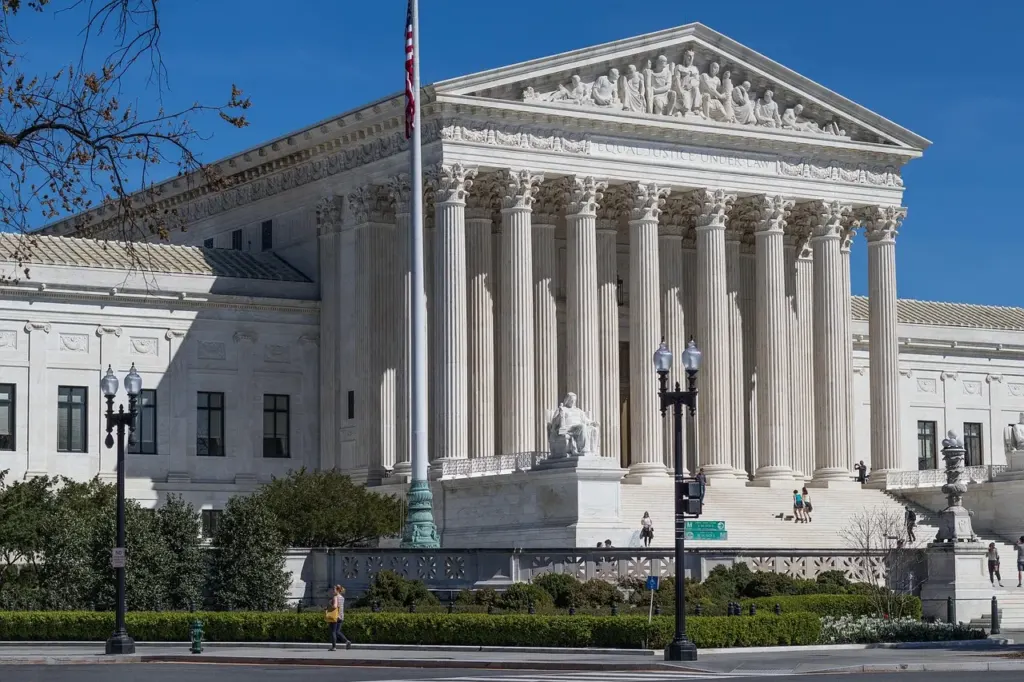
Sean Cairncross is no longer the US National Cyber Director. According to Reuters, as relayed by Engadget, the Trump administration fired him after several high-profile tech outages.
Kirsten A. Davies, currently the Department of Defense’s chief information officer, will now serve as the new National Cyber Director. The Washington Post also reported the move under the headline “White House replaces top cybersecurity official after string of outages.”
One thing to flag early: the reporting is thin on why. We’ll lay out what’s confirmed, what’s disputed and what nobody has explained yet.
Why does this matter to everyday users and businesses?
Most people will never deal with the National Cyber Director directly. But the outages tied to this story are the kind you do feel: a cloud service going dark, a flight getting grounded.
According to Engadget, Microsoft’s services recently went down and stayed offline for almost a full day. Engadget says that affected businesses, hospitals and even governments around the world. It also reports that the Federal Aviation Administration (FAA) ordered a nationwide ground stop, which is a halt on departures, disrupting more than 18,000 flights inside, to and from the US.
When the person in charge of federal cyber strategy changes right after incidents like these, small-business owners and travelers reasonably want to know whether anything changes for them. The honest answer, covered below, is that it’s too early to say.
Who is Kirsten Davies, the new National Cyber Director?
Davies is the Department of Defense’s chief information officer, according to Engadget. She has held cybersecurity-related posts in the private sector, including at companies like Hewlett-Packard and Siemens.
Engadget also says the administration reportedly believes she has the experience and credentials to excel in the job. That’s a characterization of the White House’s view, not an independent assessment of her record. The notes we reviewed don’t include details about her specific tenure at those companies or what she plans to prioritize.
Why was Sean Cairncross removed?
This is where the accounts get less clear, and where we want to be careful.
Engadget says it’s “not quite clear” why the White House removed Cairncross in relation to the outages. It adds that the government has been getting criticism over its response to cybersecurity threats, including those posed by advanced AI agents and tools. That context comes from Engadget’s own summary. It isn’t tied to a named source in the material we reviewed.
Two reported claims point in a more specific direction:
- Axios, as cited by Engadget, reported that Trump’s new chief of staff, Stephen Miller, wanted Cairncross out because he “lacked the strong cyber credentials to perform the job.”
- Reuters’ source said the president “fully supported firing Sean Cairncross from his position,” per Engadget.
Both are secondhand characterizations of internal deliberations. Neither is an official explanation, and neither says the outages themselves were Cairncross’s fault. The White House’s own reasoning isn’t spelled out in the sources we have.
Is this part of a bigger staffing shake-up?
Possibly. The Washington Post’s summary says Cairncross’s departure “continues the ouster of aides associated with former chief of staff Susie Wiles.” We could only read the outlet’s feed summary, not the full article, so we can’t say more about that pattern. But it suggests the move may reflect a broader change inside the West Wing, not only a response to outages.
What did Cairncross say?
Cairncross gave a statement, quoted by Engadget. He said he was proud of what he had done “to strengthen America’s cyber security, protect our critical infrastructure, confront foreign threats, and position America to lead the world in super intelligence.”
The statement doesn’t comment on the outages or on the reasons reported for his removal.
What does a National Cyber Director do?
Per Engadget, Cairncross oversaw the administration’s cybersecurity strategy and the implementation of related policies across the federal government. In plain terms, it’s a coordinating role. It sets direction and tries to keep agencies pulling the same way on cyber policy.
The sources we have don’t detail the office’s legal powers or staffing. We’d rather not guess at them.
What does this signal about federal cyber oversight?
This section is our analysis, based only on the reporting above.
Two readings fit the reported facts, and they aren’t mutually exclusive.
The first is accountability. Outages that hit hospitals, governments and airline travelers create pressure, and a leadership change is one visible way to respond. Engadget notes the government has been criticized over its cyber response, which fits that reading.
The second is personnel politics. The Axios account centers on Miller’s view of Cairncross’s credentials, and the Post’s summary frames the exit as part of a wider turnover. If that’s the main driver, the outages may be the backdrop more than the cause.
We can’t tell which is closer to the truth from the sources available. What we can say is that nothing in the notes ties either outage to a specific federal failure. Engadget is explicit that the link between the firing and those incidents is unclear.
Do everyday users and small businesses need to do anything?
Nothing here requires urgent action. A personnel change at the top of federal cyber policy doesn’t alter your accounts, your devices or your vendor contracts.
The outages, though, are a fair reminder to check your own fallback plans. These are general suggestions, not guidance from any of the sources:
- Know your single points of failure. If one cloud provider going down for most of a day would stop your business, write that down and decide what you’d do.
- Keep offline copies of what you can’t be without. Contact lists, key documents and customer details are the usual candidates.
- Have a non-digital way to reach your team and customers. A phone tree or a second messaging channel works if your main one is down.
- Check flight status before you leave for the airport. A ground stop affects whole networks, and airline apps and the airport are the quickest sources.
- If you run a clinic, school or office, ask your IT provider what the manual workaround is when core software is unavailable.
We covered the broader pattern in an earlier Nexonic post, Why So Many Outages Lately? What’s Known, and How to Prepare, if you want a longer checklist.
What happens next?
Analysis, based only on the notes and stated cautiously.
The most immediate thing to watch is whether Davies or the White House describes priorities for the office. The reporting we have doesn’t include any statement from her, and it doesn’t say what, if anything, changes in federal cyber policy.
It’s also worth watching whether officials explain the connection, if there is one, between the outages and Cairncross’s removal. Engadget says that link isn’t clear. A formal account could settle whether this was a response to specific failures or part of a broader staffing change.
A third thing to watch is how the administration handles cyber threats involving advanced AI agents and tools, since Engadget points to that as a source of criticism. Whether the new director’s approach differs from her predecessor’s is an open question.
We’ll update this article if the White House, Reuters, Axios or the Post add detail.
What’s still unconfirmed?
- The official reason for Cairncross’s removal. Reported motivations come from anonymous or secondhand sources.
- Whether the Microsoft outage or the FAA ground stop had anything to do with federal cyber policy. The sources don’t say.
- What Davies plans to do in the role.
- The details of the Washington Post’s full reporting, which we could only see in summary.
For now, the verified outline is simple. A cyber director is out, a Pentagon official is in, and the reasons are still murky. The practical takeaway for the rest of us is the same one the outages already gave: know what you’d do if a service you depend on disappeared for a day.
Sources
- The Trump Administration Has Replaced Its Cybersecurity Chief (engadget.com)
- White House replaces top cybersecurity official after string of outages (washingtonpost.com)
This article was researched and drafted with AI assistance and reviewed against the linked sources by the Nexonic editorial team.



Join the conversation